
Buy-Side M&A in Utilities & Power Generation: Allocating Capital Where Returns Are Regulated and Risk Is Not in 2025
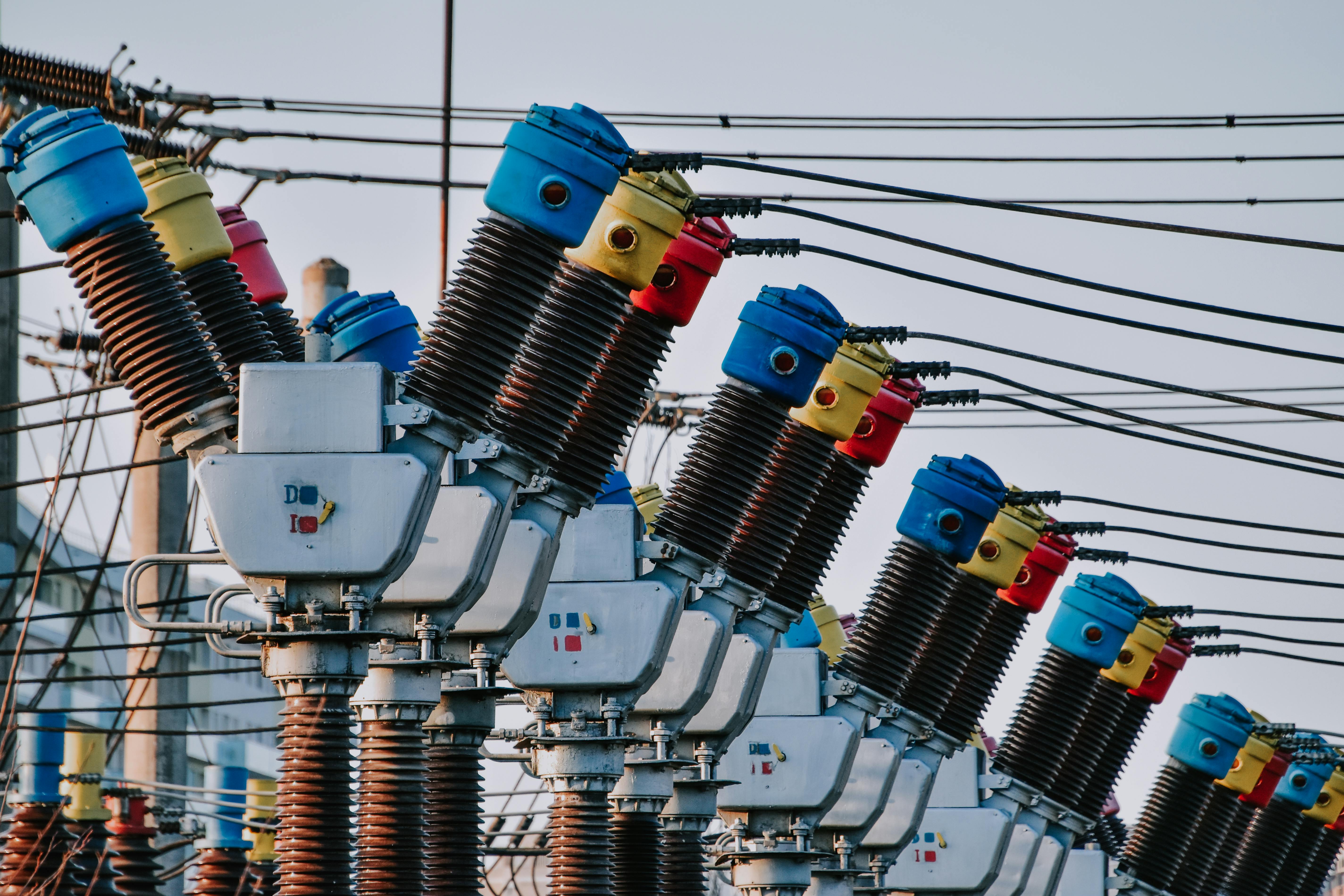
Buy-side M&A activity in utilities and power generation in 2025 reflects a sector where demand fundamentals are strong, but capital allocation discipline has become more critical than at any point in the past decade. Electrification, data center load growth, grid modernization, and decarbonization mandates continue to support long-term investment, yet rising interest rates, regulatory complexity, and escalating capital requirements have materially altered how acquirers evaluate risk and return.
Unlike many industries, utilities and power assets rarely fail quickly. Instead, value erosion occurs slowly—through regulatory lag, cost overruns, delayed recovery of invested capital, or incremental dilution of returns over time. As a result, buy-side advisory in this sector is less about identifying growth opportunities and more about ensuring that capital is deployed into assets where downside is bounded and returns are structurally protected.
The first question sophisticated buyers ask is not about yield, but about the source of return. Utilities and power generation assets derive value from fundamentally different mechanisms: regulated rate base frameworks, contracted cash flows through PPAs or capacity payments, or exposure to merchant power markets. In 2025, acquirers are highly sensitive to misclassification. Assets positioned as “infrastructure-like” but carrying meaningful market or regulatory exposure are quickly re-underwritten at higher discount rates. Buy-side advisors play a central role in clarifying which portions of cash flow are earned through enforceable mechanisms and which depend on favorable assumptions.
Capital intensity is the defining underwriting variable. Acquisitions in this sector are rarely static investments; they are long-term commitments to ongoing capital deployment. Buyers focus heavily on how much capital is required post-close simply to sustain earnings, how much additional capital is necessary to grow rate base or capacity, and whether returns on incremental investment are protected by regulation or contract. In 2025, assets that require continuous reinvestment without clear recovery mechanisms face significant valuation pressure, regardless of headline yield. Normalizing free cash flow after true maintenance capex—rather than accounting representations—has become a core buy-side discipline.
Downside analysis anchors the buy-side process. Acquirers stress-test assets against regulatory delays, adverse rate outcomes, construction cost inflation, fuel or power price volatility, grid congestion, curtailment risk, and financing cost sensitivity. If returns only hold under optimistic assumptions, transactions rarely progress. Buyers increasingly favor assets where downside scenarios reduce returns but do not impair capital. Buy-side advisory ensures that these stress cases are evaluated early, before competitive dynamics harden pricing expectations.
As a result, buy-side processes in utilities and power generation narrow quietly and early. Initial interest often fades as capital risk becomes clearer. Once acquirers conclude that capital exposure is open-ended or recovery is uncertain, valuation support erodes quickly. Yield narratives alone rarely revive conviction at that stage.
Valuation outcomes in 2025 reflect this heightened discipline. Assets operating within stable regulatory regimes, supported by constructive precedent, long-dated inflation-linked contracts, and predictable operating cost profiles continue to command premium infrastructure-style pricing. By contrast, assets with merchant exposure, unresolved regulatory frameworks, or ambiguous capital programs trade at wider discounts—even when current cash yields appear attractive. Buyers are increasingly explicit that yield is not synonymous with safety.
Transaction structure has become a primary capital protection tool rather than a secondary negotiation point. Deferred consideration tied to regulatory approvals, minority investments with enhanced governance rights, joint ventures isolating development or repowering risk, and seller rollovers aligned with long-term performance are all common features of buy-side transactions in this sector. These structures are not concessions; they are mechanisms that allow capital to be deployed in stages as uncertainty resolves. Buy-side advisors ensure that structure aligns with actual risk drivers rather than merely deferring them.
Post-close integration in utilities and power generation is fundamentally about governance rather than operations. Buyers focus on capital approval processes, regulatory engagement, asset management discipline, and escalation frameworks for risk and compliance. For sponsor-backed platforms, success is defined by disciplined capital allocation and regulatory credibility, not cost cutting or operational consolidation. Integration assumptions embedded in underwriting must be practical and enforceable to protect value over time.
Before final approval, many acquirers apply a simple internal test: if growth capital is delayed materially, do base returns still justify the investment? Assets that fail this test rarely clear investment committees. Buy-side advisory helps acquirers apply this discipline objectively, particularly in competitive environments where infrastructure capital is abundant and pressure to deploy is high.
In 2025, the most successful buyers in utilities and power generation share a consistent approach. They prioritize capital preservation over marginal yield, underwrite regulatory and execution risk conservatively, and structure transactions to align capital deployment with risk resolution. They accept that utilities investing is as much about avoiding permanent capital impairment as it is about generating stable returns.
As electrification accelerates and regulatory complexity continues to shape outcomes, buy-side success in utilities and power generation will remain defined by realism and discipline. Acquirers who understand where returns are genuinely protected—and where they are exposed—consistently outperform those who chase yield without fully pricing capital risk. In this environment, buy-side advisory remains essential not to find assets, but to ensure capital is deployed where long-duration returns are truly defensible.







SPAC & De-SPAC Advisory in Private Equity, Venture Capital & Alternative Funds: When Financial Engineering Faces Public-Market Permanence
Private equity, venture capital, and alternative asset managers are designed around optionality. Capital is raised episodically, deployed selectively, recycled opportunistically, and governed through private agreements that allow discretion in pacing, valuation, and exit.

Explore The Post Oak Group
From initial strategy to successful closing, The Post Oak Group delivers disciplined execution and senior-level guidance across both M&A and capital markets transactions.