
Convertible & Structured Securities M&A in Utilities & Power Generation: Absorbing Regulatory Timing Without Repricing the Asset Base
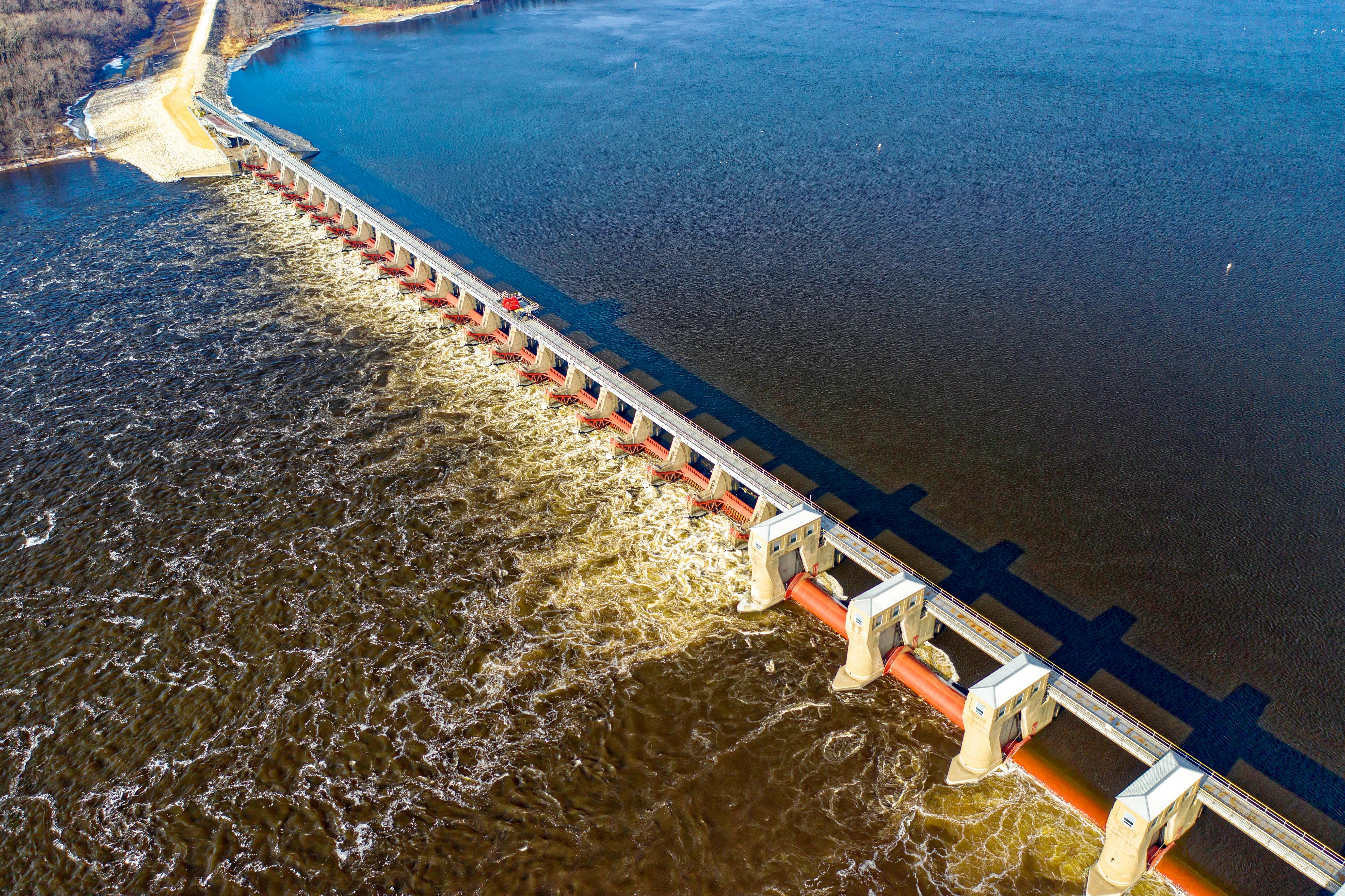
Utilities and power generation businesses are built to compound value on regulatory time, not market time. Rate bases, contracted generation, and long-lived infrastructure translate capital deployment into earnings and cash flow over decades, mediated by regulatory process rather than commercial urgency. Public capital markets, however, increasingly price utilities through a shorter lens shaped by interest-rate volatility, political sensitivity around rates, and near-term earnings optics. In 2024–2025, that tension has widened materially. Interest-rate resets have lifted allowed returns at the same time that regulatory lag delays their realization. Grid modernization, generation transition, and resilience investments have expanded front-loaded capex well ahead of rate recovery. Equity markets respond by discounting margin pressure and cash absorption as if the regulatory compact itself were under strain. Boards understand otherwise. The compact remains intact; what is stretched is synchronization. Convertible and structured securities enter the capital discussion because the challenge is not asset durability, but timing alignment.
Traditional capital instruments misallocate that timing risk in predictable ways. Straight equity absorbs regulatory lag immediately, crystallizing valuation impact long before recovery mechanisms engage. Straight debt presumes that rate relief, cost pass-through, and cash inflows align smoothly with capital outlays, an assumption that rarely holds in periods of accelerated investment. As a result, operational decisions about grid hardening, generation mix, or reliability upgrades risk being distorted by financial optics rather than system need. Political and regulatory optics further complicate the picture. Equity issuance or incremental leverage during sensitive rate periods can be interpreted by regulators, consumer advocates, and legislators as signals of stress, influencing rate proceedings and public perception in ways that outlast the capital transaction itself. Boards therefore seek capital that recognizes regulatory timing risk without forcing ownership or control outcomes that misprice the asset base.
Well-designed convertible and structured securities address this misalignment by reallocating risk across time rather than denying it. In utilities and power generation, these instruments do not challenge the regulatory model; they respect its cadence. Dilution is deferred and typically aligned, explicitly or implicitly, with rate-case outcomes, allowed ROE resets, or the completion of major capex programs. Ownership outcomes, if they occur at all, reflect recovery rather than interim lag. Investors are compensated for waiting through coupons, preferred economics, or other downside protections that do not interfere with rate negotiations or operational planning. Governance provisions can reinforce discipline around capex pacing, liquidity buffers, or dividend policy without intruding on management’s ability to operate within the regulatory framework. Critically, structured equity can coexist with project-level debt, securitizations, and regulatory deferral mechanisms without triggering refinancing pressure at inopportune moments. The structure accepts that timing friction exists, then allocates it rationally between the issuer and the capital provider.
These benefits are accompanied by frictions that boards must navigate deliberately. Yield and conversion economics are explicit and visible, while the alternative of issuing equity during regulatory lag carries an implicit but permanent valuation reset. Utilities accustomed to straightforward capital stacks must articulate structured securities clearly to avoid misinterpretation by regulators and stakeholders who value simplicity and transparency. Structured capital also assumes that recovery mechanisms ultimately function. Prolonged political intervention or delayed rate relief can convert timing risk into something more structural, bringing conversion outcomes into focus. Investors will demand clarity on capex plans, regulatory calendars, and recovery pathways, increasing disclosure discipline even as it reinforces credibility. These tensions are not signs of weakness; they are the cost of aligning capital with regulatory reality.
Boards adopt convertible and structured securities to preserve strategic flexibility that straight equity issuance would constrain prematurely. They enable utilities to advance grid and generation investments without anchoring valuation to lagging recovery, maintain credibility during rate proceedings by avoiding distress signals, refinance or redeem once recovery mechanisms catch up to investment, and protect dividend and capital allocation flexibility through peak capex periods. The objective is not to avoid dilution indefinitely, but to ensure that any dilution reflects earned regulatory economics rather than timing distortion imposed by the market.
From an advisory perspective, convertible and structured securities in utilities and power generation require capital design around the regulatory clock. Effective advice focuses on sizing structures to capex and recovery gaps rather than peak earnings, aligning conversion economics with rate-case and completion milestones, preserving redemption flexibility to avoid accidental permanence, and coordinating terms with regulatory, political, and stakeholder considerations. Equally important is framing the transaction as timing management rather than balance-sheet stress. The advisory mandate is to ensure capital supports system investment without forcing ownership outcomes before the regulatory process has run its course.
In utilities and power generation, convertible and structured securities are not expressions of doubt about demand, necessity, or asset quality. They are acknowledgments that regulation creates value on a different timetable than markets price it. By deferring irreversible ownership decisions until recovery mechanisms engage, structured capital allows boards to invest, modernize, and transition infrastructure without surrendering value during the wait. In this sector, convertibles do not price kilowatt-hours or allowed returns in isolation. They price the board’s conviction that regulatory economics will assert themselves over time, and its discipline to structure capital so ownership reflects that reality rather than market impatience.







SPAC & De-SPAC Advisory in Private Equity, Venture Capital & Alternative Funds: When Financial Engineering Faces Public-Market Permanence
Private equity, venture capital, and alternative asset managers are designed around optionality. Capital is raised episodically, deployed selectively, recycled opportunistically, and governed through private agreements that allow discretion in pacing, valuation, and exit.

Explore The Post Oak Group
From initial strategy to successful closing, The Post Oak Group delivers disciplined execution and senior-level guidance across both M&A and capital markets transactions.