
Restructuring & Special Situations M&A in Construction & Infrastructure Services: When Backlogs Remain but Balance Sheets Do Not
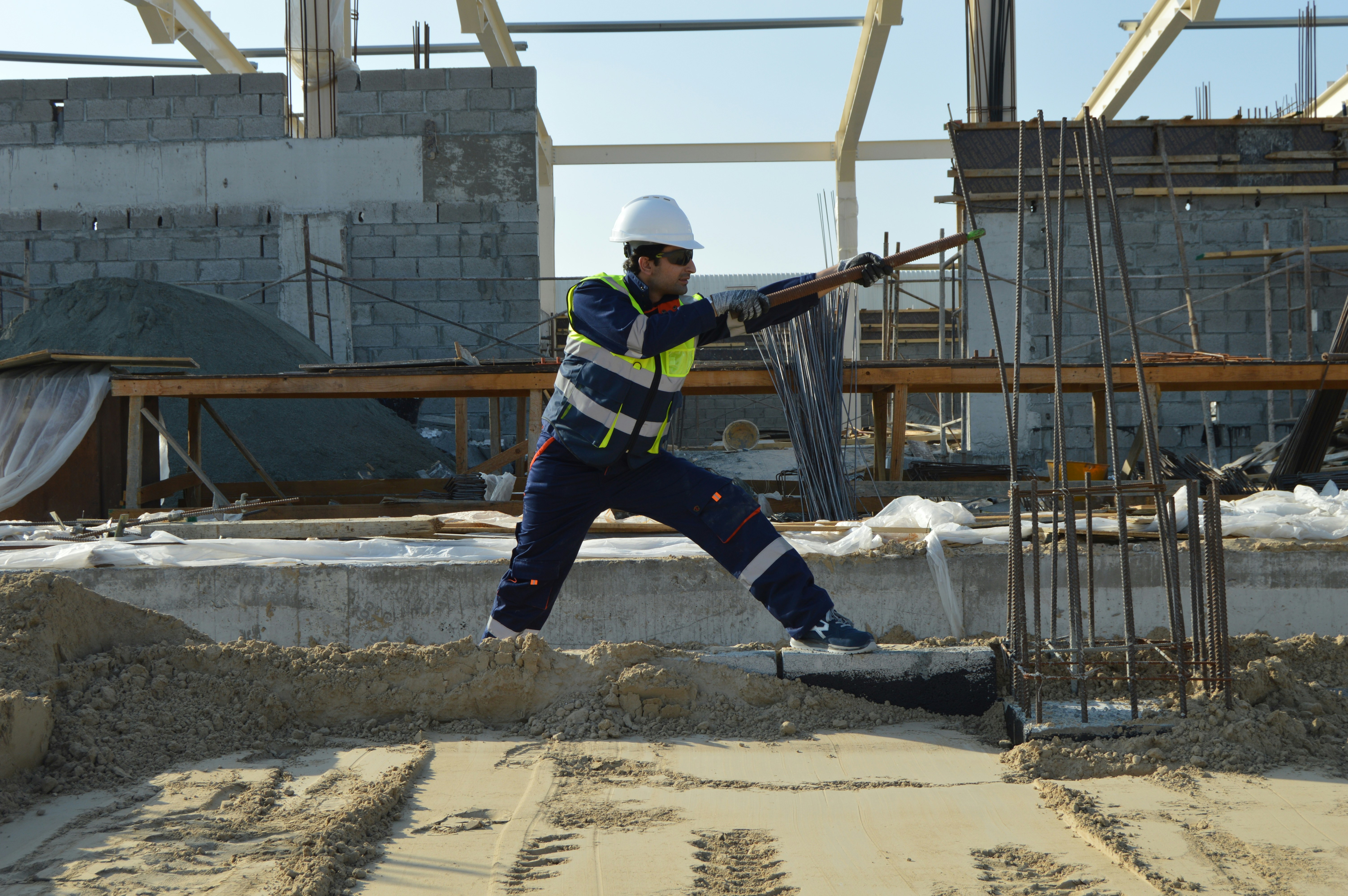
By 2024–2025, distress across construction and infrastructure services is rarely driven by a shortage of work. Backlogs remain elevated across transportation, utilities, energy transition, and industrial infrastructure, supported by multi-year public funding programs and private capital deployment. Projects are active, crews are mobilized, and revenue continues to be recognized. Yet special situations activity is rising as contractors, EPC providers, and specialty service firms confront a more fundamental imbalance. Project risk is crystallizing faster than capital structures can absorb it.
For boards and creditors, this disconnect is particularly difficult to diagnose. Visible work creates a sense of stability that masks the financial strain embedded within project portfolios. Fixed-price exposure agreed under different cost assumptions, labor scarcity, subcontractor volatility, and delayed change-order recovery have turned backlog from a source of comfort into a source of liquidity stress. In this environment, restructuring is not about restoring growth or replenishing the pipeline. It is about determining which capital structures can survive multi-year execution risk without collapsing into forced outcomes.
Underwriting discipline in construction and infrastructure special situations has therefore shifted sharply toward project-level analysis. Buyers and creditors no longer evaluate these businesses as integrated going concerns. They evaluate them as collections of risk-weighted cash flows, each with its own exposure to cost escalation, claims uncertainty, and working capital absorption. The mix of fixed-price versus cost-plus contracts, the timing and credibility of change-order recoveries, bonding and indemnity capacity, and labor availability are scrutinized with greater intensity than headline revenue or backlog growth. What no longer clears investment committees is the assumption that backlog equates to visibility. In the current market, backlog without pricing flexibility or dispute resolution capacity is viewed as forward liquidity risk rather than downside protection.
The value logic in construction and infrastructure restructurings has correspondingly shifted away from scale preservation toward risk containment. Value is created by isolating loss-making or dispute-heavy projects, resizing balance sheets to absorb cost volatility, resetting bonding and indemnity structures, and transferring ownership to capital capable of funding long-duration execution risk. The fragile assumption is that projects eventually work out with time. Boards often underestimate how cumulative margin erosion across multiple contracts can overwhelm even well-capitalized platforms. In this sector, not all backlog deserves to be carried to completion under the same ownership, and refusing to make that distinction early often accelerates value destruction.
Execution failures in restructuring-led infrastructure transactions tend to follow a consistent pattern. Troubled projects are not triaged quickly enough, allowing losses to compound quietly across the portfolio. Liquidity stress erodes bonding capacity, which in turn constrains bid eligibility and accelerates operational decline. Claims recoveries are modeled aggressively but realized too late to support near-term cash needs. Enterprise-level restructurings drift without decisive calls on individual projects or divisions, leaving risk concentrated rather than reduced. In most failed cases, firms remain operational and visible in the field. What fails first is project-level capital discipline.
Capital market conditions in 2024–2025 have intensified these dynamics. Higher interest rates increase the cost of carrying underperforming projects, while lenders have reduced tolerance for margin volatility and dispute-driven uncertainty. Bonding providers, often peripheral in traditional capital discussions, now function as de facto gatekeepers to survival. New capital is increasingly priced as a bridge to risk transfer rather than a bridge to project completion. Leverage is underwritten to conservative loss scenarios, and equity support weakens as sponsors avoid open-ended exposure to execution risk. From an advisory perspective, restructurings that do not actively reduce embedded project risk struggle to attract durable financing.
As a result, special situations M&A in construction and infrastructure services increasingly relies on structures designed to reallocate risk deliberately. Divisional carve-outs separate stable service lines from complex EPC work. Project portfolio sales or joint ventures transfer high-risk contracts to counterparties better positioned to absorb volatility. Creditor-led recapitalizations are paired with aggressive backlog rationalization. Strategic sales favor operators with balance sheets sized explicitly for dispute resolution and execution risk. These transactions trade continuity and scale for solvency, often the only rational exchange once project losses begin to compound.
Boards and owners most often misjudge distress by focusing on backlog size rather than backlog quality. Visible work obscures embedded losses, and reputation concerns delay necessary exits. Claims recovery is assumed to offset execution losses, and restructuring is treated as temporary rather than directional. Disciplined boards instead focus on identifying which projects deserve incremental capital support and which should be transferred or terminated, even at the cost of short-term optics.
In construction and infrastructure services, restructuring is no longer a pause before M&A. It is the mechanism through which M&A becomes inevitable. Transactions that preserve value are those that recognize early that project risk, capital capacity, and ownership must be aligned deliberately. For boards and creditors navigating special situations in 2024–2025, the strategic question is not whether infrastructure spending will continue. It is whether the capital structure allows the business to absorb execution risk selectively and long enough for ownership to transition before project losses dictate outcomes on their own terms.





Shelf Registered Offerings M&A in Aviation (Commercial & Charter Operators): Preserving Access When Utilization and Sentiment Decouple
Aviation equity trades on confidence as much as on cash flow. Fleet utilization, booking curves, fuel costs, labor negotiations, and geopolitical risk all influence sentiment long before they change economics.

Explore The Post Oak Group
From initial strategy to successful closing, The Post Oak Group delivers disciplined execution and senior-level guidance across both M&A and capital markets transactions.