
Cross-Border M&A in Utilities & Power Generation: When Capital Crosses Borders but Electricity Does Not in 2025
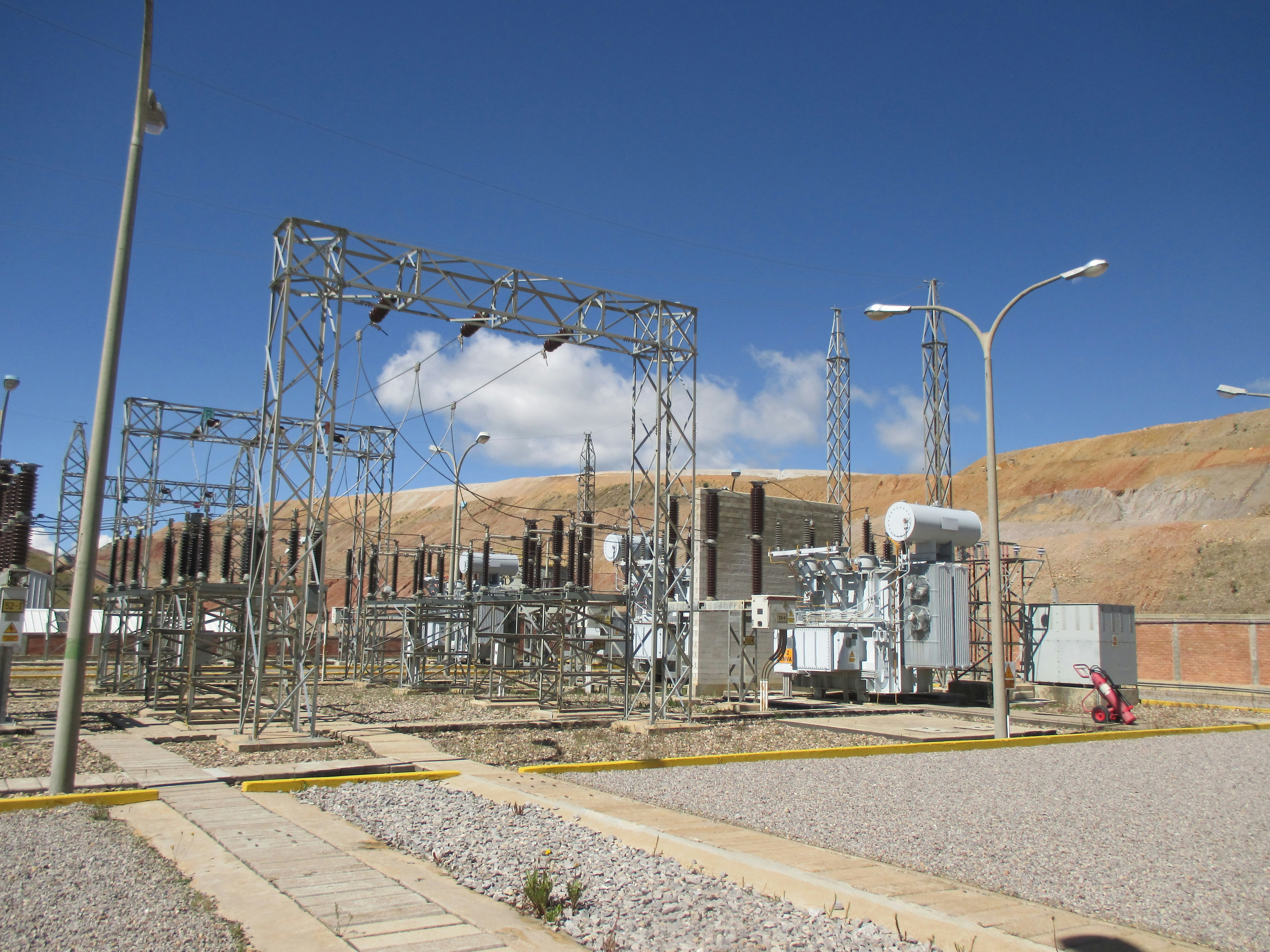
Utilities and power generation assets occupy a distinctive position at the intersection of infrastructure, public policy, and capital markets. They offer predictable demand, long-lived assets, and regulated or quasi-regulated cash flows that have historically attracted cross-border capital, particularly during periods of macro uncertainty. In 2025, that appeal remains intact. What has changed is how these assets behave once ownership crosses borders. Electricity may flow across interconnected markets, but control over generation, transmission, pricing, and reliability remains intensely local. Cross-border advisory in this sector exists to address a central reality: outcomes are governed less by market logic than by regulatory authority, public trust, and system resilience.
The market context reinforces this dynamic. Power systems globally are under sustained pressure from aging grids, accelerating electrification, decarbonization mandates, and more frequent extreme weather events. Utilities have moved from being steady operators to becoming focal points of national policy. Governments are advancing renewable buildouts, scrutinizing grid stability, and responding to political concern over power affordability and energy security. In this environment, cross-border transactions involving utilities and generation assets now receive heightened attention, even in jurisdictions that have historically welcomed foreign capital. Approval processes are longer, scrutiny is deeper, and expectations around stewardship have expanded.
Buyers are often drawn to utilities for familiar reasons. Regulated revenues, long asset lives, predictable demand, and inflation-linked pricing mechanisms create the impression of stability and control. In practice, these characteristics persist only as long as regulators remain comfortable with who owns and influences the system. In 2025, regulatory focus has shifted decisively away from ownership percentages toward decision-making authority. Regulators increasingly assess who controls capital allocation, who determines maintenance and outage response, and who holds responsibility during emergencies. For cross-border acquirers, the assumption that financial ownership equates to operational discretion is proving increasingly fragile.
The practical reality is that utilities do not operate under fixed contractual frameworks alone. They operate under ongoing permission. Regulators retain authority over tariff setting, rate recovery, capital expenditure programs, asset retirement decisions, grid interconnection priorities, and the pace of renewable integration. A change in ownership, particularly where foreign capital is involved, often prompts a reassessment of long-term stewardship assumptions. Even when transactions are approved, behavioral conditions, reporting obligations, and supervisory engagement frequently increase materially. The economic impact is not always immediate, but reduced discretion over capital deployment and operations can meaningfully affect returns over time. Effective cross-border advisory ensures that this loss of flexibility is reflected in valuation rather than discovered post-close.
Power generation assets present similar challenges, often underestimated during underwriting. Generation is frequently modeled as a standalone business, but in reality it is tightly embedded within national grid architectures, fuel supply arrangements, transmission constraints, and government decarbonization strategies. In 2025, renewable assets introduce additional layers of complexity, including curtailment risk, interconnection backlogs, evolving subsidy regimes, and community or land-use opposition. Foreign ownership can amplify scrutiny of these issues, particularly where assets are viewed as strategically important to national transition goals. Generation economics that appear robust in isolation can become constrained once system-level priorities and political considerations intervene.
Cross-border utility transactions therefore tend to follow a predictable narrowing path. Initial interest based on asset quality and cash flow visibility gives way to regulatory engagement that tests not just ownership, but influence. The most common breakdown occurs when regulatory comfort with capital participation does not extend to operational control. At that point, governance concessions or structural adjustments become unavoidable, often altering the original investment thesis.
Valuation outcomes in 2025 reflect this reality. Cross-border utility transactions frequently trade at discounts to domestic comparables, even when asset quality and performance metrics appear similar. Buyers price in approval uncertainty, extended timelines, limits on operational flexibility, increased compliance burdens, and political sensitivity around pricing and outages. Two utilities with identical generation mixes and EBITDA profiles can produce materially different outcomes depending on how regulators perceive the suitability of ownership and governance. Cross-border advisory plays a critical role in preventing buyers from paying regulated-asset multiples for assets that become more tightly regulated after closing.
Transaction structure has emerged as the primary tool for building regulatory comfort. Minority investments with economic rights, joint ventures with domestic utilities, ring-fenced operating entities, governance frameworks that preserve local decision authority, and staged ownership increases over time are increasingly common. These structures are not designed to reduce value, but to preserve permission. They align capital exposure with what regulators are prepared to allow in practice, rather than what buyers might prefer in theory.
Post-close integration in utilities follows a different logic than in most sectors. Integration is not about extracting synergies or accelerating change. It is about maintaining confidence. Successful cross-border acquirers preserve existing management interfaces with regulators, avoid abrupt changes to operating procedures, clearly separate financial oversight from system control, and invest visibly in reliability, safety, and grid resilience. In utilities, trust compounds slowly and erodes quickly. Integration missteps that undermine regulatory confidence can have lasting consequences.
Several developments in 2025 heighten sensitivity around cross-border utility ownership. Grid failures linked to extreme weather have elevated political scrutiny. Pressure around energy affordability has intensified. Renewable mandates continue to accelerate, often without commensurate grid investment. National security considerations around critical infrastructure have expanded. Utilities remain investable, but they are no longer treated as neutral assets insulated from public interest.
For buyers and sellers alike, successful cross-border M&A in utilities and power generation now requires restraint. Buyers must recognize that capital does not override public responsibility or regulatory discretion. Sellers must understand that valuation reflects regulatory comfort and governance credibility as much as asset quality. Advisors must design transactions that align ownership economics with public-interest obligations. Cross-border advisory remains essential not to globalize power assets indiscriminately, but to ensure that reliability, affordability, and system integrity endure once capital crosses borders.


Shelf Registered Offerings M&A in Construction & Infrastructure Services: Securing Capital Access Before Execution Risk Peaks
Construction and infrastructure services companies operate in a capital environment where execution timing, not demand visibility, is the primary source of volatility.

Shelf Registered Offerings M&A in Pharmaceuticals & Biotechnology: Preserving Capital Access Without Forcing a Scientific Verdict
In pharmaceuticals and biotechnology, capital actions are interpreted less as balance-sheet mechanics and more as judgments about scientific confidence.

Shelf Registered Offerings M&A in Private Equity, Venture Capital, & Alternative Funds: Market Access Without Signaling Capital Stress
For private equity, venture capital, and alternative asset managers, capital markets evaluate signals as much as economics


Explore The Post Oak Group
From initial strategy to successful closing, The Post Oak Group delivers disciplined execution and senior-level guidance across both M&A and capital markets transactions.