
Private Credit M&A in Mining, Metals & Natural Resources: Financing Long Lives While Pricing Volatility
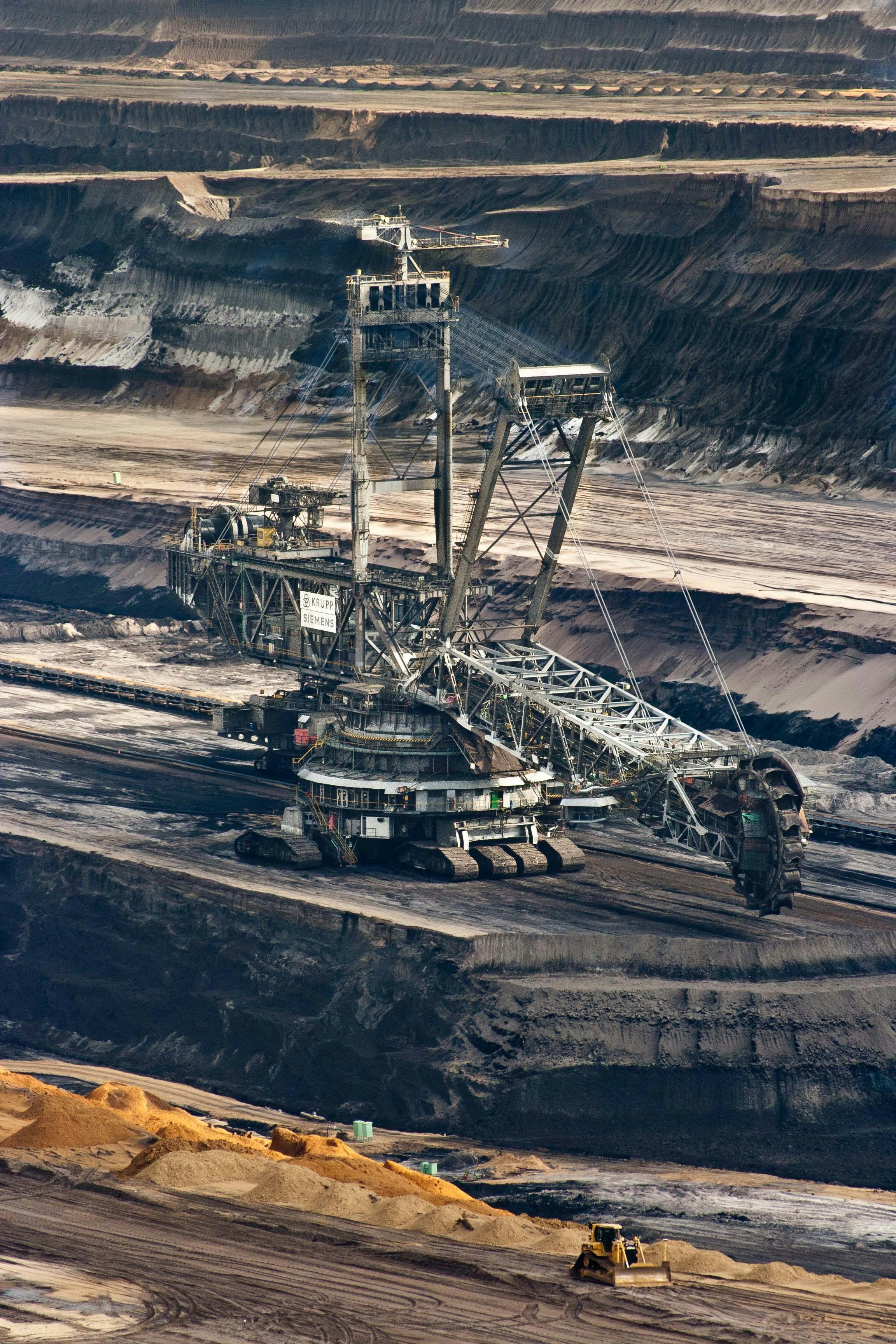
Private credit’s growing role in mining, metals, and natural resources is often misinterpreted as renewed confidence in commodities. In reality, it reflects a more disciplined recalibration of how volatility, duration, and behavior are priced. In 2024–2025, capital is available across producing assets, late-stage development projects, and specialty materials platforms, but it is deployed narrowly and conditionally. Credit committees do not question the strategic relevance of resources or the tangibility of reserves. They question how capital behaves when prices move, projects run longer than expected, and reinvestment decisions collide with leverage.
From an underwriting perspective, the sector’s risk profile is not geological. It is temporal and behavioral. Long reserve lives and measured production profiles offer visibility, but they also invite capital allocation decisions that have historically destroyed lender value during commodity upswings. Modern private credit structures are therefore designed to constrain optionality rather than amplify upside. Liquidity clears where lenders believe they can govern what happens when prices rise as much as when they fall.
Resource exposure survives allocation scrutiny on terms that differ sharply from equity logic. Credit committees anchor underwriting to conservative price decks, often well below forward curves, and focus on whether assets generate free cash flow under prolonged mid-cycle conditions rather than peak pricing. Reserve life is valued only insofar as it is paired with credible discipline around reinvestment. Long-lived assets that invite aggressive expansion, exploration, or acquisition during favorable markets are treated as structurally higher risk than shorter-life assets with predictable harvesting profiles. Cost position on the global curve matters more than scale, as low-quartile producers retain margin resilience longer when prices compress. Political and jurisdictional risk is priced explicitly, with permitting regimes, fiscal stability, and community obligations treated as sources of timing risk rather than remote contingencies. Refinancing optimism is discounted heavily, as private credit is underwritten on the assumption it may remain outstanding through multiple commodity cycles.
Negotiations in mining and natural resources credit consistently tighten around a small set of fault lines that reflect this worldview. Sponsors often view commodity recoveries as opportunities to expand reserves or capacity. Lenders view the same moment as the optimal window to reduce exposure. That divergence shapes documentation. Hedging programs are treated as governance mechanisms rather than optional risk management tools, with inadequate coverage translating directly into lower leverage or higher pricing. Growth and exploration capex is gated tightly, with spending beyond maintenance levels conditioned on leverage reduction and liquidity thresholds. Environmental remediation and closure obligations are treated as structurally senior to debt service in stress scenarios, with under-provisioning materially impairing credit outcomes. Single-asset platforms face steeper control requirements, as concentration magnifies volatility and limits lender intervention options, while diversification is priced carefully for the operational complexity it introduces.
From an advisory standpoint, effective private credit structuring in resources requires anticipating success rather than failure. Many resource credits unravel not during downturns, but during recoveries when capital discipline erodes and reinvestment accelerates. Transactions that clear committee scrutiny embed aggressive cash sweeps during favorable pricing environments, mandate hedging sufficient to protect debt service, and align amortization with reserve depletion rather than optimistic mine plans. Expansion and exploration are constrained deliberately, with amendment and extension economics priced upfront to reflect cycle volatility rather than treated as exceptions. In this context, lender constraints function less as punitive measures and more as tools to preserve equity value across cycles by preventing overreach when conditions improve.
Private credit has become a critical financing channel for mining, metals, and natural resources not because it embraces volatility, but because it is designed to survive it. Capital is deployed to extract cash, enforce discipline, and remain solvent across price regimes that equity markets often misprice. For boards and sponsors, choosing private credit is a strategic decision to exchange expansion flexibility for endurance, accepting that some upside will be surrendered in return for balance sheet stability over long asset lives. In the current cycle, resource credit does not reward the most ambitious development plan. It rewards operators willing to harvest value patiently, hedge prudently, and allow capital structures to impose restraint precisely when commodity prices invite excess.


Shelf Registered Offerings M&A in Construction & Infrastructure Services: Securing Capital Access Before Execution Risk Peaks
Construction and infrastructure services companies operate in a capital environment where execution timing, not demand visibility, is the primary source of volatility.

Shelf Registered Offerings M&A in Pharmaceuticals & Biotechnology: Preserving Capital Access Without Forcing a Scientific Verdict
In pharmaceuticals and biotechnology, capital actions are interpreted less as balance-sheet mechanics and more as judgments about scientific confidence.

Shelf Registered Offerings M&A in Private Equity, Venture Capital, & Alternative Funds: Market Access Without Signaling Capital Stress
For private equity, venture capital, and alternative asset managers, capital markets evaluate signals as much as economics


Explore The Post Oak Group
From initial strategy to successful closing, The Post Oak Group delivers disciplined execution and senior-level guidance across both M&A and capital markets transactions.