
Shelf Registered Offerings M&A in Utilities & Power Generation: Authorizing Capital Without Forcing a Regulatory Bet
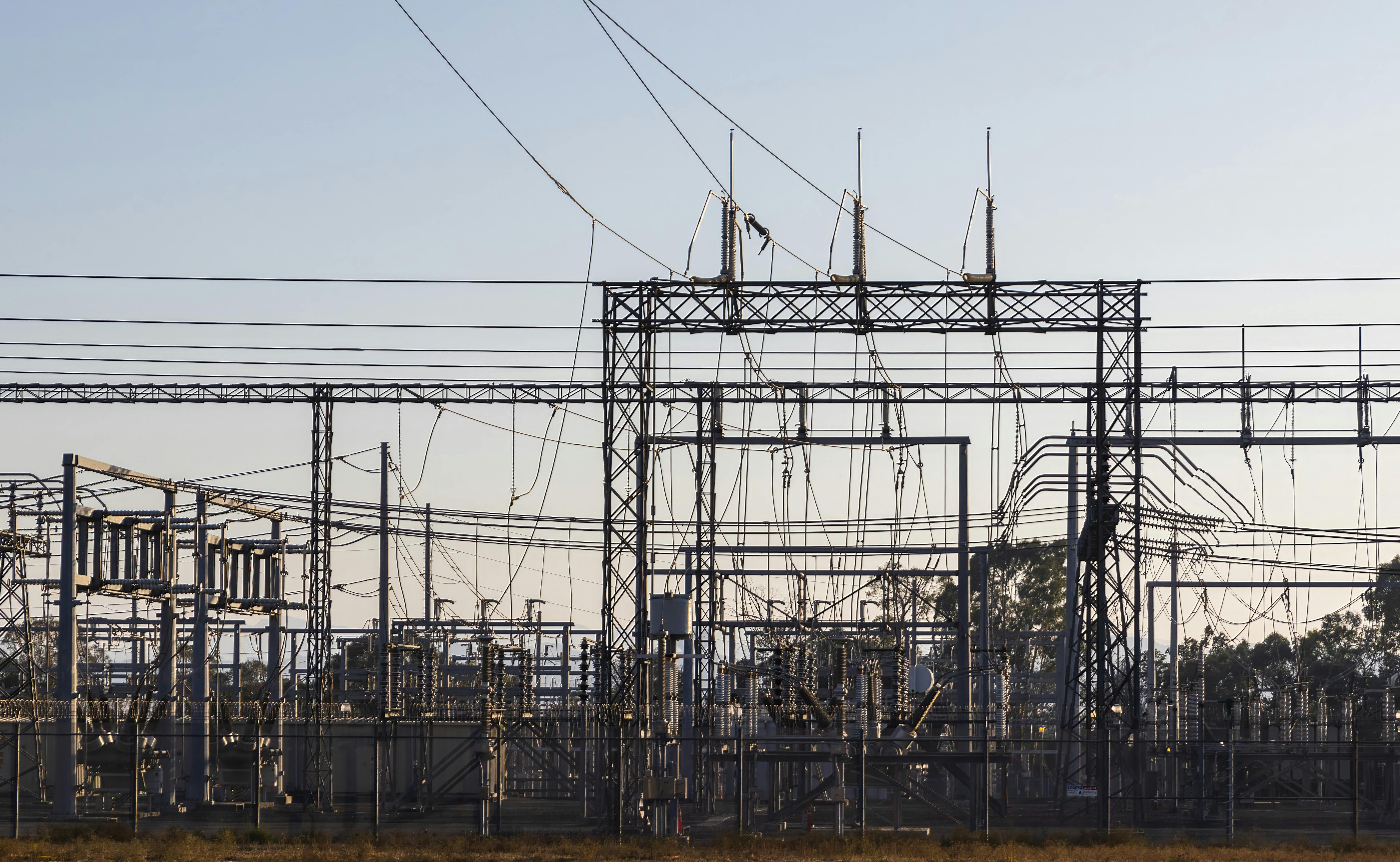
Utilities and power generation companies operate within one of the most durable demand frameworks in public markets, yet one of the most constrained capital narratives. Asset lives extend across decades, while cash recovery is governed by rate cases, fuel adjustment mechanisms, and regulatory lag that unfold on political and procedural timelines. Capital markets, by contrast, price utilities on far shorter horizons, penalizing elevated capex, construction risk, and interim return dilution long before recovery is allowed into the rate base. The result is a persistent mismatch between how value is created and how equity is priced.
In 2024–2025, this tension has intensified. Grid hardening, renewable integration, reliability mandates, and capacity replacement have driven capital programs well above historical norms. At the same time, higher discount rates and investor fatigue with long-duration returns have narrowed equity windows materially. Boards frequently face a paradox. Capital is required to execute mandated investment programs, yet issuing equity prematurely fixes valuation at a point when regulatory recovery is least visible. Shelf-registered offerings enter the discussion because boards require access without declaring a regulatory outcome. The strategic objective is to authorize capital while preserving the option to wait for rate clarity, recovery visibility, or improved market receptivity.
The difficulty of today’s capital decisions reflects a structural shift from prior cycles. Historically, utilities accessed equity markets with a relatively predictable cadence. Capital programs were smaller, rate cases were more frequent, and recovery periods were shorter, allowing equity issuance to coincide with visible earnings accretion. In the current cycle, capex is front-loaded, regulatory review is more deliberate, and recovery is phased over longer horizons. Markets discount the interim gap aggressively, even when eventual recovery is highly probable. What once functioned as routine balance-sheet maintenance now carries material timing risk. Issuing equity ahead of regulatory alignment forces boards to accept a valuation anchored to temporary ROE compression rather than to long-term allowed returns.
Investor resistance to utility equity today follows a recognizable pattern. Resistance is highest before regulatory recovery is visible and declines as rate relief, settlements, or constructive commission outcomes approach. The challenge for boards is that authorization typically lags this curve. Without a shelf, approvals and disclosure processes often consume the very period when resistance begins to ease. A shelf places authorization early, allowing execution later when regulatory clarity reduces friction.
Several structural changes explain why optionality has replaced predictability. Regulatory outcomes now take longer to signal, even in constructive jurisdictions, as evidentiary records expand and political scrutiny increases. Capex visibility precedes cash recovery by years, meaning markets see spending immediately while returns remain deferred. Investor patience has shortened, particularly among yield-oriented holders who are less tolerant of prolonged interim ROE pressure. At the same time, mandated investment limits discretion. Unlike cyclical sectors, utilities cannot pause grid or generation investment without regulatory and reliability consequences. Capital access must exist even if issuance should wait. The shelf emerges as a mechanism to reconcile mandatory investment with discretionary timing.
Authorizing a shelf in utilities requires boards to accept explicit trade-offs. Authorization is public even if execution is not, introducing modest signaling risk in exchange for flexibility. Sizing discipline becomes critical, as over-authorization can undermine credibility and invite speculation. Capacity must map to realistic funding gaps across the rate cycle rather than to peak capex totals. Governance clarity is essential, with clear definitions around who can recommend execution and under what regulatory or market conditions. Narrative consistency must be maintained so messaging around rate base growth, ROE trajectory, and capital discipline remains coherent once a shelf exists. These concessions are structural and far less costly than issuing equity at a point of maximum investor resistance.
What boards preserve by authorizing early is sequencing control. A shelf does not obligate issuance; it protects the order of decisions. Boards retain the ability to issue equity following constructive rate outcomes or settlement clarity, to backstop balance sheets during construction-heavy phases without forced dilution, to support M&A or asset rotation once recovery is visible, or to decline issuance entirely if debt markets or internal cash flow prove sufficient. Equally important, boards preserve the ability not to act without appearing constrained or undercapitalized.
From an advisory perspective, shelf-registered offerings in utilities and power generation are designed around regulatory-cycle alignment rather than capital volume. Effective advisory work focuses on sizing authorization to credible pre- and post-recovery funding gaps, drafting disclosures that emphasize contingency rather than expectation, aligning shelf capacity with construction milestones and rate case timing, and defining execution triggers linked to regulatory outcomes or market receptivity. Investor communication must clearly distinguish temporary ROE pressure from permanent value erosion so that access supports mandated investment without distorting perception.
In utilities and power generation, shelf-registered offerings are not signals of financial weakness or regulatory pessimism. They acknowledge that capital markets price uncertainty faster than regulators resolve it. By authorizing access without committing to execution, boards retain control over timing, protect valuation from interim ROE compression, and preserve flexibility as recovery becomes visible. The shelf converts regulatory lag into governed optionality. In this sector, shelf registrations do not price megawatts, miles of wire, or capacity factors alone. They price the board’s discipline to ensure capital follows recovery rather than precedes it, and its judgment to secure access before timing pressure dictates the outcome.


SPAC & De-SPAC Advisory in Aerospace Engineering & Components: When Program Economics Are Judged Before They Mature
Aerospace engineering and components companies are governed by programs, not quarters. Qualification cycles, rate ramps, learning curves, and customer acceptance milestones unfold over years.

SPAC & De-SPAC Advisory in Aviation (Commercial & Charter Operators): When Asset Cyclicality Meets Irreversible Capital Commitments
Aviation businesses—whether commercial carriers, ACMI operators, or charter platforms—are defined by asset duration and operating cyclicality.


SPAC & De-SPAC M&A in Manufacturing & Industrial Production: When Operating Leverage Is Exposed Before It Is Earned
Manufacturing and industrial production companies are built around operating leverage that compounds only after volume, mix, and throughput stabilize.

Explore The Post Oak Group
From initial strategy to successful closing, The Post Oak Group delivers disciplined execution and senior-level guidance across both M&A and capital markets transactions.